Cart Zero: Why ‘I Bought Nothing’ Is 2026’s Most Chaotic Holiday Content
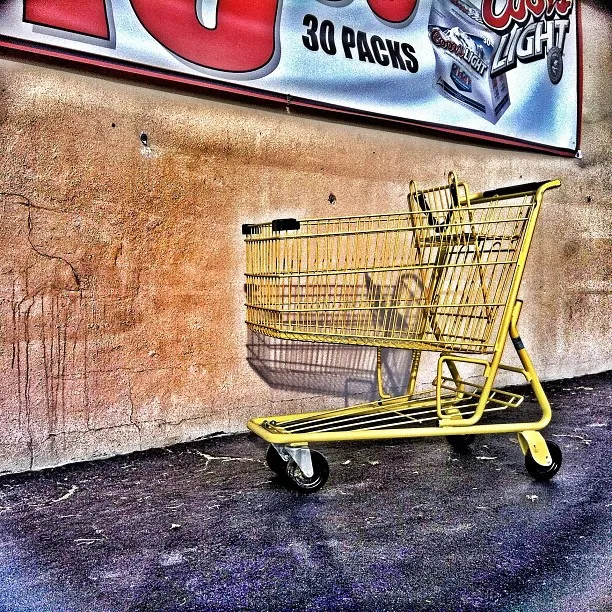
Photo: Jenni C from Delaware, USA, CC BY 2.0, via Wikimedia Commons
It’s Nov. 14, 2026, and your inbox is already a haunted house of “early Black Friday” subject lines. Every tab you open begs you to build a cart. So why is the internet’s most satisfying holiday content right now a video of someone closing one?
Welcome to Cart Zero—the anti-haul holiday era where creators film themselves not buying things, narrate the coupons they ignored, and turn restraint into a personality. The format is simple: show the temptation, name the price, explain the pass. The vibe is part fiscal responsibility, part group-chat comedy, and entirely built for screenshots.
From Haul Culture to ‘I’ll Pass’
Anti-hauls aren’t new. Beauty YouTubers spent the mid-2010s filming takedowns of limited-edition palettes and “you don’t need this” rants, a direct response to the haul-industrial complex. But the 2026 holiday version has mutated. It’s less consumer watchdog, more social flex. Creators aren’t just reviewing products—they’re reviewing their own impulse control in real time.
The shift tracks with the broader de-influencing wave that made “don’t buy this” a viable content lane. What’s different now is the timing. Holiday shopping is a contact sport, and the anti-haul is the equivalent of standing courtside, sipping a water, and refusing to play.
The 2026 Holiday Shopping Rush Is a Perfect Storm
This year, the sales started earlier, the emails got weirder, and the product ads follow you from Instagram to your weather app. If it feels like every brand is shouting, that’s because they are. The result is a very specific kind of shopper fatigue—the kind that makes a calm voice saying “I talked myself out of a $68 candle” feel like ASMR.
There’s also the sheer volume problem. When every week is a sale event, the thrill of the deal evaporates. Anti-haul creators are capitalizing on that numbness. They don’t need a villain product or a dramatic takedown. They just need a browser tab, a running total, and a decisive click on “remove from cart.”
The Group-Chat Psychology of the Empty Cart
Bragging about what you didn’t buy is a low-stakes power move. It says: I saw the thing, I wanted the thing, and I chose not to be a sucker. That’s catnip for group chats, where the real holiday sport is comparing who survived the Sephora sale with their budget intact.
The anti-haul also offers something hauls rarely do: permission. A haul says “look what I got.” An anti-haul says “you don’t have to get it either.” That flips the social script. Instead of FOMO, you get a shared exhale. Instead of comparison, you get a round of “same, bestie.”
And let’s be honest—there’s a competitive edge. “I almost bought it” is a better story than “I bought it.” The almost-purchase has suspense, a hero’s journey, and a moral. The purchase just has a tracking number.
Creators Are Monetizing the Non-Purchase
Here’s the twist: anti-haul content is still content. Views are views. A creator who films a five-minute “things I’m not buying this Black Friday” video is building the same engagement engine as a haul creator—just with a different costume. The trust factor is the product. If you believe someone isn’t shilling, you stick around.
That trust can become its own currency. Some creators pair anti-hauls with budgeting tips, resale advice, or “shop your closet” challenges. Others keep it purely comedic, ranking products by how fast they closed the tab. The common thread is control: the creator decides what the video is selling, and often the answer is nothing at all.
How to Tell a Real Anti-Haul From a Stealth Ad
Not every empty cart is a moral stance. Some anti-hauls are hauls with extra steps. Watch for the tell: a creator says “I’m not gonna tell you to buy this,” then drops a link in bio and a discount code. Or they spend four minutes describing a product’s texture in loving detail before declaring it a pass. That’s not restraint—that’s foreplay for the affiliate link.
The real ones are usually messier. They show the price with tax. They admit they wanted it. They don’t have a promo code. They’re not selling you a minimalist identity; they’re just narrating a decision you’ve made a hundred times in your own head.
The Cart Is Empty, but the Group Chat Is Full
The anti-haul holiday isn’t an anti-shopping movement. It’s a content format that happens to align with how a lot of people feel right now: overstimulated, over-targeted, and tired of being told that joy comes in a cardboard box. The empty cart is a flex, sure—but it’s also a conversation starter.
So go ahead and send the screenshot. The group chat will understand. And if someone replies with a link to a sale you “might like,” you already know the move: close the tab, open the camera, and film the pass.