The Encore Is Dead and Your Phone Killed It: Inside 2026's Sprint-Tour Economy
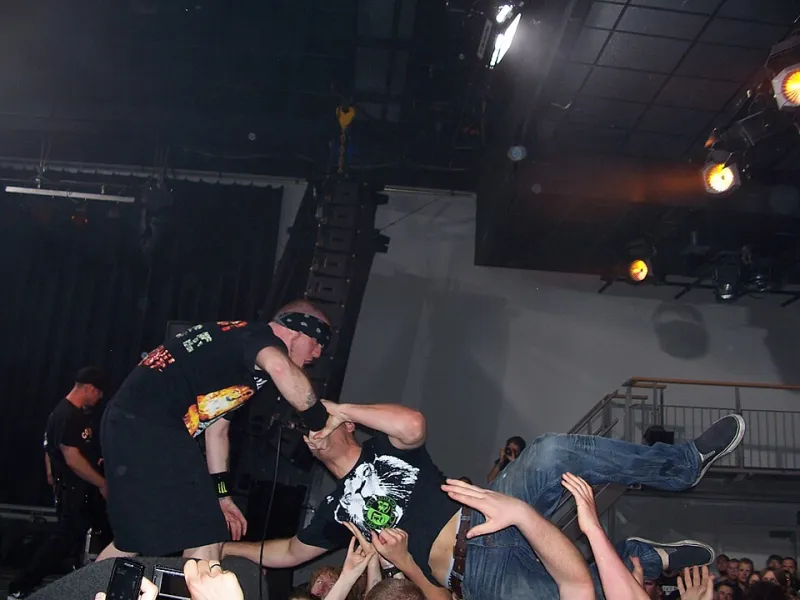
Photo: Steven Lek, Public domain, via Wikimedia Commons
The lights go down at 8:52. They come back up at 9:41. And by 9:55, a solid third of the lower bowl is already in the parking garage, doing math out loud about whether $185 for 49 minutes was a flex or a felony.
That's the 2026 arena tour in a nutshell. The hottest tickets of the year aren't getting longer — they're getting shorter, tighter, and edited like a video clip. The encore, that sacred two-song victory lap that's been a concert staple for decades, is quietly getting cut. Some artists announce it in advance. Others just don't come back out.
And the group chat is not okay about it.
Forty-Nine Minutes, No Apologies
Ask anyone who's hit a big show this fall and you'll hear some version of the same night: doors at 7, opener at 7:45, headliner on at 8:45, house lights before 10. No rambling mid-set speech. No five-minute drum solo. No fake walk-off where the band waits backstage for the crowd to scream loud enough to earn two more songs.
The walk-off bit used to be the whole point. You screamed, they came back, everybody got one more chorus and a confetti cannon. In 2026, that pause is dead air — literally 90 seconds where a phone-heavy crowd just scrolls.
The Math Fans Are Doing in the Comments
Here's where it gets spicy. Premium seats at big arenas have crept into the $200 to $400 range, and dynamic pricing means the person next to you probably paid double. When a show runs 47 to 55 minutes, the value-per-minute math gets ugly fast, and comment sections have turned into a full-on accounting seminar.
'Four dollars a minute to watch a guy lip-sync his own bridge' is a comment I genuinely saw this week. So is 'I paid less for a three-hour festival day.'
The counterargument is just as loud: shorter sets mean no filler, no twelve-minute jam, no deep cut nobody in the building knows. You get the hits, a couple of new singles, one emotional ballad, and you're on the train before surge pricing kicks in. For a generation raised on thirty-second clips, that's not a rip-off — that's the director's cut of the good parts.
Why the Encore Was Always a Bonus Track
Honestly? The encore has been on life support for a while. Artists have been publicly mocking it for years — the theatrical exit, the fake surprise, the inevitable return. Setlists leak an hour after soundcheck. There's no mystery left to protect.
So the smarter tours are just cutting it. A few acts now post the set time and total runtime on their socials the morning of the show, which is either radical transparency or a warning label, depending on your mood.
The Clip-First Stage
Here's the part nobody says out loud: shorter sets are cheaper and more shareable. Fewer songs means fewer production changes, less crew overtime, and fewer curfew fines in cities with hard noise ordinances. A 50-minute set is also basically engineered for vertical video — every song gets its moment, the lighting peaks right on the chorus, and there's a clean shot for every single track.
A three-hour show produces maybe six good clips. A tight 50 produces thirty. The algorithm does not care about the encore.
What Actually Gets Cut
Almost always the same stuff: the instrumental break, the cover song, the acoustic detour, the second verse of the single that peaked at No. 40. Deep cuts are the first casualty, and that stings if you're the fan who bought the vinyl and knows the b-side by heart.
What stays: the opener, the three biggest singles, the ballad that makes everyone cry, and a closer that ends on a hard button so the room knows it's over. No ambiguity. No 'wait, is this it?'
The Counterargument: Sprints Aren't for Everybody
Not every fan is chasing efficiency. There's real, growing pushback from people who remember when a concert was an entire evening — a slow build, a full arc, an encore that felt earned. They'll tell you the sprint model turns live music into a vending machine: insert money, receive hits, exit.
They're not wrong that something gets lost. The weirdness lives in the long middle of a set. But they're also paying $60 in fees to stand behind a guy holding a phone above his head, so the romance has taken some hits either way.
Where This Goes Next
Expect more tours to advertise runtime like a movie. Expect more artists to skip the fake walk-off entirely and just say goodnight while the confetti is still falling. Expect the debate to boil over every single time someone posts a ticket stub next to a stopwatch.
The encore isn't dead because artists got lazy. It's dead because the audience changed, the economics changed, and nobody wants to stand in a parking garage at midnight pretending to be surprised.
Forty-five minutes and out. Honestly? Might be the most honest thing on the calendar.