Late to the Party? Good. 2026’s Viral Moments Are Peaking on Monday
On a Friday afternoon in 2026, a celebrity does something mildly unhinged on a livestream. A brand posts a weirdly off-model reply. A reaction meme escapes a niche Discord server. Your first instinct is to send it to the group chat and call it a day. Your second instinct, if you work in marketing or media, is to panic about being late.
Relax. In 2026, the first 10 minutes of a viral moment are mostly noise. The real breakout usually needs a weekend, a few screenshot chains, and one roundup account to find its legs. Call it the weekend delay: the gap between something appearing and something actually landing. Here’s how the 72-hour arc tends to play out now.
Hour 0–6: The Seed Drop
This is the part everyone overvalues. A clip goes up. A brand account replies with something that feels like it was written by a very online intern. A creator posts a reaction that only makes sense if you know the lore. The early numbers look decent, maybe even great, but they are usually concentrated among people who were already looking. This is the seed, not the harvest.
In 2026, the first wave is also the most fragile. It is easy to mistake speed for staying power. A post can rack up views and still be gone from the conversation by dinner because it never escaped the original audience. The mistake brands make is treating hour one like a verdict.
Hour 6–24: The Group Chat Lag
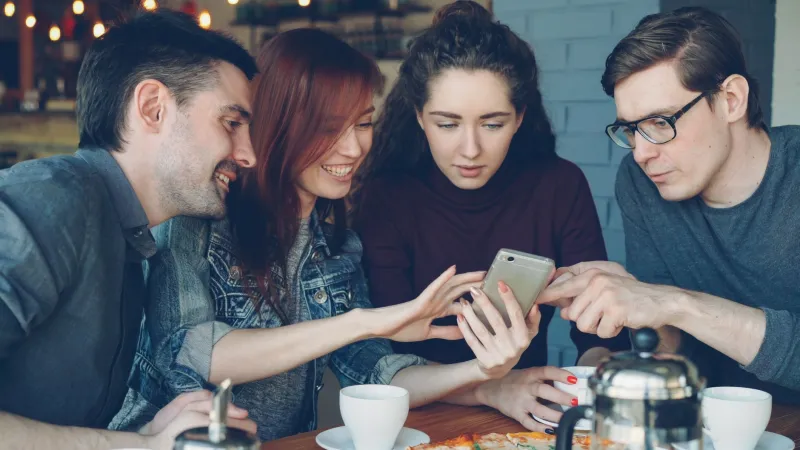
This is where the real work happens, and it happens off the public feed. Someone screenshots the post and drops it into a group chat. Someone else adds context. A friend who does not care about the celebrity in question laughs at the reaction image. A cousin replies with a worse version of the same joke. By the time the moment resurfaces in public, it has been translated into normal-person language.
That translation is the whole game. Group chats are not just distribution. They are editing rooms. They cut the fat, add the punchline, and decide whether the thing is actually funny, weird, or just confusing. A viral moment that cannot survive a group chat usually cannot survive a slow news day.
Day 2: The Roundup Account Picks It Up
By Saturday or Sunday, the roundup accounts get involved. You know the ones: the feeds that collect the week’s messiest brand replies, the funniest two-second clips, the screenshots you missed because you were doing something responsible. In 2026, these accounts function like the internet’s weekend edition. They do not just repeat the moment. They frame it.
A good roundup post gives the late arrivals a way in. It says: here is the clip, here is why it matters, here is the joke. That framing is why so many moments peak on a Monday. The people who were there at hour zero are already bored. The people who see it in a roundup are just getting started.
Day 3: The Algorithm’s Second Chance
Algorithms in 2026 are not simply rewarding freshness. They are rewarding re-engagement. If a clip gets saved, screenshotted, stitched, duetted, quote-posted, or argued about in comments, the platform gets another reason to push it. A slow-building moment can look dead on day one and then get a second life when a bigger account, a brand, or a mainstream creator touches it.
This is the part that drives PR teams up the wall. The moment is not following a launch calendar. It is following attention. A delayed hit can build for three days, then detonate when a retailer, a sports team, or a local news anchor accidentally makes it worse. That is not a failure of planning. That is the plan working in a language no one fully controls.
Day 4–5: The Brand Hijack Window
By Monday or Tuesday, the brands arrive. Some are funny. Some are desperate. The best ones act like they have been in the group chat the whole time instead of like they just got a calendar invite. The worst ones explain the joke, overproduce the response, or try to turn a two-second clip into a 45-second ad.
The window matters. A brand that jumps in too early looks like it is trying to own something it does not understand. A brand that waits too long looks like it is doing homework. The sweet spot is usually after the roundup accounts have framed the moment but before the mainstream headlines have flattened it.
What to Watch Instead of the First 10 Minutes
If you are an audience member, stop worrying about being early. The good stuff will find you. If you are a brand or a creator, watch for saves, screenshot behavior, quote posts, and group-chat language in the comments. Those are better signals than a fast spike. Ask whether people are explaining the moment to each other. If they are, it has legs.
And if you miss the first wave? Good. You are probably right on time. The weekend delay is not a glitch in the 2026 attention economy. It is the feature. The moments that last are the ones that survive the group chat, the roundup, and the Monday-morning scroll. Being late is fine. Being boring is the only real problem.